A lot of property owners do not start out researching composite fence installation. It usually comes up after they have lived with wood for a few years. The maintenance starts to feel repetitive. Annual sealing lose their appeal.
That is usually when, composite fence installation enters the conversation. The promise is simple. Wood like appearance without constant upkeep. The reality, as usual, depends on the situation.
What Often Mean When They Say Installing a Composite Fence
Most property owners are not concerned about the exact material formula. They want to know. How it installs compared to wood. If it works on uneven yards. How manageable the boards are. And whether the added cost makes sense long term.

Installing composite fencing falls between wood fencing and vinyl fencing. It offers structure, but less flexibility than wood. Preparation matters more than many expect.
Before You Install: Why Preparation Is Key
The simplest way to think about it is that composite depends on planning. The materials are uniform. That helps visually. It also means mistakes are obvious.
One thing that comes up often. Composite looks flexible in catalogs. In real yards, post layout and alignment matter a lot.
Key Prep Steps That Matter Most
- Verify boundaries before digging. Measure post spacing carefully. Plan for expansion gaps.
Skipping prep is where issues begin. Composite fence https://fence-composite.theburnward.com/lumber-fence-setup systems look clean but allow little correction.
Setting Posts: Where the Fence Is Won or Lost
Setting posts is the most critical step in composite fence installation. Composite panels carry weight. Posts must be solid to prevent movement.
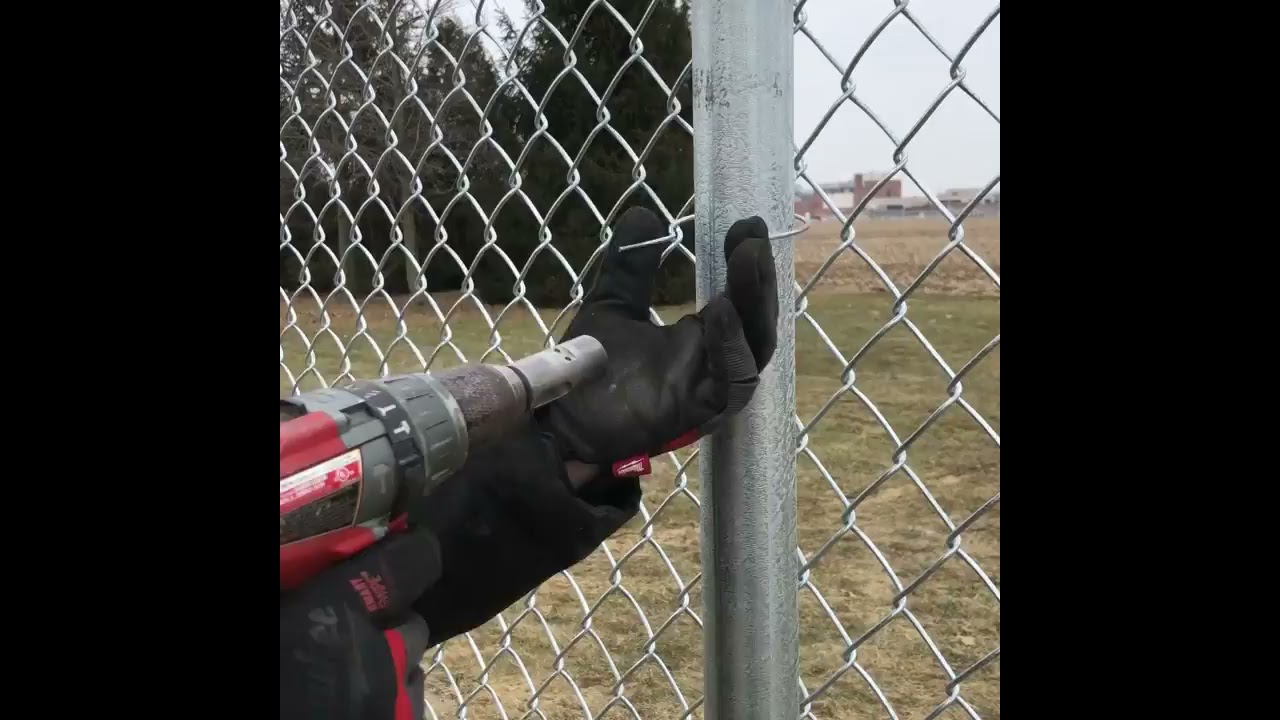
What surprised me was how little tolerance there is. A post just slightly off throws off the entire section. Unlike wood, composite does not flex to hide issues.
Post Setting Errors That Cause Problems
- Shallow footings. Posts slightly tilted. Incorrect spacing.
Spending extra time at this stage prevents visible issues later.
Boards and Sections: How the Fence Takes Shape
Once posts are set, composite fence installation moves at a steady pace. Boards slide into channels. Caps and trim pieces finish the look.

Here is what tends to happen. Sun exposure affect board length. Expansion spacing are not optional.
A practical approach is to follow spacing guidelines even if it feels excessive. Those gaps prevent warping later.
Material Handling: What Installers Notice Quickly
Composite fence boards weigh more than wood boards. That changes handling. Two installers often make installation smoother.
Access matters. Tight side yards slow the process. Planning where materials sit saves time.
Gate Installation and Finishing: Where Reinforcement Matters
Installing gates requires reinforcement. Composite gate frames carry significant weight. Hinges and gate posts must be designed for it.
A short aside. Test gate swing early. Composite does not settle like wood. What you install is what you get.
Maintenance Expectations
Composite fences reduce maintenance. They do not remove it entirely. Occasional cleaning keeps the surface looking right.
Color stability is better than wood, but sun exposure still matters over many years.
Final Thoughts
Composite fence installation is not overly complicated, but it requires precision. Accurate layout, proper post installation, and respecting expansion make the difference.
Composite fencing appeals to people who want balance. Less upkeep than wood. More rigidity than vinyl. That middle ground begins with proper installation.
If you are planning a composite fence, walk the property carefully, measure carefully, and follow system guidelines. That preparation leads to clean results well beyond installation day.